


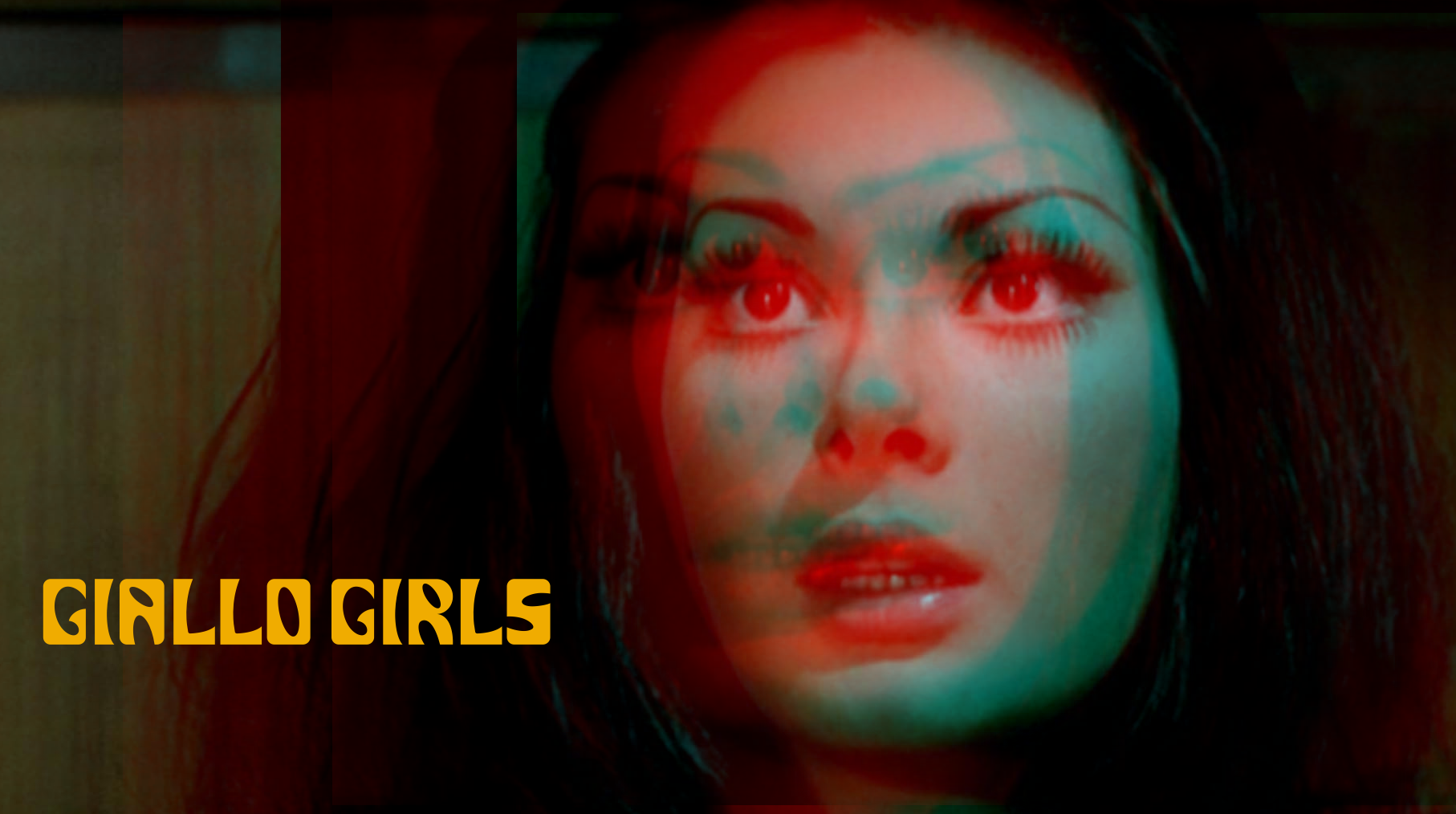
Giallo Girls is a mix featuring songs from Italian giallo films of the 1960s and 1970s – as well as giallo-esque pieces from the same era – composed or sung by women.
For your listening pleasure/terror: Giallo Girls on Mixcloud.
Read on for an introduction to giallo films, details of all the tracks in the mix, and biographies some of the key female artists featured here. There are also links to stream some of the films mentioned for free. Plus, there is a bonus playlist featuring contemporary artists!
Please note: this mix should be playable to all, and I'm hoping it avoids restrictions. If you do have any issues playing it, please let me know in the comments on this post, on Mixcloud, or social media.
If you are unfamiliar with the giallo genre of movies, the term is used to denote a certain style of murder-mystery thrillers produced in Italy from the 1960s to 1980s, though most often from the 1970s. Stylish but pulpy, they lean heavily on an atmosphere of psycholeogical intrigue, paranoia, and eroticism, and often contain horror and slasher elements.
There are specific genre markers that many consider to be characteristic of gialli – stylised murders, for example, are almost a given, and some note elements as specific as shower scenes or the appearance of black gloves! Opinions vary on how widely the term should be applied. Chris Gallant, for the British Film Institute, writes:
Although definitions vary, the giallo is most often characterised as an Italian crime film with murder-mystery elements. It often draws on a pool of common conventions: stylised murders, amateur sleuths, black gloves, repressed memories, enigmatic titles and creepy Ennio Morricone music scores.
Its parameters are vague, leaving plenty of examples sitting ambiguously on the fence between this and other genres. And it’s a tradition that gleefully mixes high and low culture, where you’ll find flashes of artistic brilliance sharing the screen with moments of jaw-dropping squalor.
Yes, the Maestro himself, Ennio Morricone – the genius, prolific composer, mostly known to the wider world for his famed spaghetti western soundtracks – scored a number of gialli. He features numerous times on my mix, mostly thanks to the frequent appearance of his favourite vocalist, Edda Dell'Orso. But aside from Morricone's wonderful scores, the giallo world gave us a treasure-trove of soundtracks by many of Italy's finest composers, like Piero Umiliani, Bruno Nicolai, Alessandro Alessandroni, and, famously for Suspiria and Profundo Rosso, the band Goblin.
The brilliant composer, singer, and musician Nora Orlandi is the only woman I found who created scores for any giallo films. Please correct me if I'm wrong and if I overlooked any other female composers who contributed to these soundtracks. I did find a handful of songs co-written by women – you'll find details of these in the annotated tracklist below. I also included pieces by Daniela Casa, a superb and innovative composer whose library music pieces include some that sound suitably giallo-esque to my ears. Most of the contributions to songs here by women are in the form of beautiful vocals by the likes of Dell'Orso, Giulia De Mutiis, and more. Read more about Orlandi, and the other women featured in the mix, further down in the post.
Giallo purists, please don't come for me 😐 – while I've packed this mix with pieces from mostly genuine giallos, I'm aware there are a few songs here drawn from films that are not strictly giallos (as well as the afore-mentioned library music tracks). Rather than be bound by pedantry and questions of exactly what defines a giallo, I decided to broaden the pool of music to include here, to showcase as much of the amazing work of these women as I could. I do feel everything here is well within the range of the essence of a giallo soundtrack.
If you've ever watched a giallo, you'll have an idea of the range of musical cues typically featured in one of these films. There are the sensual pieces accompanying love scenes or bathing scenes – soft, jazzy numbers often featuring those classic, wordless vocalisations; gently creepy, unnerving pieces underscoring moments of paranoia and suspicion; ominous strings and organs as suspense builds; explosive, dramatic numbers accompanying a big twist or horrifying find; and, of course, the groovy, upbeat, mod-ish number for the obligatory dancing scene! There is sometimes a melodramatic, Bond-like theme song in the opening or closing credits, or featured within the film. There is also often a repeated motif throughout – a memorable, signature melody rendered in varying musical styles.
Here's a quote from Nora Orlandi that I really like, where she noted the diverse nature of giallo soundtracks, and the reasons these films are conducive to inspiring this musical diversity. This is from an interview with Colonne Sonore in 2016, where she was asked whether composing for thriller and “sexi-thriller” soundtracks allowed for more inventiveness than western scores (auto-translated):
In a thriller, we generally find plots with much more diverse situations, settings, atmospheres, and psychological characterizations, allowing the composer to draw on his own thematic and timbral imagination with a certain freedom.
For my mix, I've tried to capture the experience of a giallo soundtrack, by featuring all the types of music I described above, while keeping an unsettling and eerie thread throughout.
Here is the tracklist for the mix, detailing the female artists involved in each song, and noting the films or releases from which each track is drawn.
Tracklist ()
Click 'hide details' to view a simplified tracklist.
- The Strange Vice of Mrs. Wardh - Movie clip 1
With music by Nora Orlandi, and dialogue by Susan Spafford (for Edwige Fenech).
- Nora Orlandi - Marcel - Deborah
From Il dolce corpo di Deborah (The Sweet Body of Deborah), 1968.
- Lydia MacDonald - Fate Had Planned It So (Film Version)
From Orgasmo (Paranoia), 1969. Written by Piero Umiliani and Lydia MacDonald.
- Ennio Morricone - Violenza inattesa
From L'uccello dalle piume di cristallo (The Bird with the Crystal Plumage), 1970. Vocals by Edda Dell'Orso.
- Nora Orlandi - A doppia faccia (Vocal version)
From A doppia faccia (Double Face), 1969. This dramatic, Bond-like theme wonderfully showcases Nora's skills as both a composer and vocalist. She was credited as Joan Christian as the composer for this film, and as Silvie St. Laurent for her vocals.
- Daniela Casa - Grosse Cilindrate
Originally from Amore Giovane, a library album from 1971. Taken from the 2014 Finders Keepers comp Sovrapposizione Di Immagini.
- Nora Orlandi - Body Fox (M35)
From Lo strano vizio della Signora Wardh (The Strange Vice of Mrs Wardh), 1971.
- Alessandro Alessandroni - Devil's Nightmare
From La terrificante notte del demonio (Devil's Nightmare), a 1971 horror film sometimes classified as a giallo. Vocals by Giulia De Mutiis.
- Elsio Mancuso & Berto Pisano - Nude per l'assassino
From Nude per l'assassino (Strip Nude for Your Killer), 1975. Vocals by Edda Dell'Orso.
- Bruno Nicolai - I Get You (Vocal)
From La notte che Evelyn uscì dalla tomba (The Night Evelyn Came Out of the Grave), 1971. This cut appears on the Digitmovies 2005 release of the soundtrack, as part of a three-song suite called 'La Festa'. Vocals by Giulia de Mutiis and Ernesto Brancucci.
- Nora Orlandi - Blood Heaven
From Lo strano vizio della Signora Wardh (The Strange Vice of Mrs Wardh), 1971.
- Daniela Casa - Occultismo (Excerpt)
From Società Malata (meaning Sick Society), a library album from 1975.
- Piero Umiliani - Orgasmo - M27 (Psychedelic Trap)
From Orgasmo (Paranoia), 1969. Vocals by Alessandro Alessandroni and Giulia De Mutiis.
- Elsio Mancuso & Berto Pisano - Occhi senza sguardo (Cantata)
From Nude per l'assassino (Strip Nude for Your Killer), 1975. Vocals by Edda Dell'Orso.
- Ennio Morricone – Voce seconda
From Giornata nera per l'ariete (The Fifth Cord), 1971. Taken from Edda Dell'orso Sings Ennio Morricone, a compilation from 2007. Vocals by Edda Dell'Orso.
- Daniela Casa - Fantastico
From Ricordi d'infanzia, a library album with the theme of 'Childhood Memories' from 1975. Though mostly featuring more light, innocent fare, there are a couple of eerier tracks here, like this one.
- Nora Orlandi - The Pleasure Of Pleasure (M31)
From Lo strano vizio della Signora Wardh (The Strange Vice of Mrs Wardh), 1971.
- Mina - Valentina (controluce)
From La morte accarezza a mezzanotte (Death Walks at Midnight), 1972.
- Nora Orlandi - The Strange Vice (Main Title)
From Lo strano vizio della Signora Wardh (The Strange Vice of Mrs Wardh), 1971.
- Giorgio Gaslini - Barlumi di memoria
From Un omicidio perfetto a termine di legge (Cross Current), 1971. Vocals by Edda Dell'Orso.
- Franco Micalizzi - Una corsa verso la verità
From I due volti della paura (The Two Faces of Fear), 1972. Vocals by Edda Dell'Orso.
- Nora Orlandi - Ossessione
From Il dolce corpo di Deborah (The Sweet Body of Deborah), 1968.
- Ennio Morricone - Veni sancte spiritus #2From Il sorriso del grande tentatore (The Devil Is a Woman), 1974. Vocals by Edda Dell'Orso and Gianna Spagnulo.
- Edda Dell'orso - Giornata nera per l'ariete
From Giornata nera per l'ariete (The Fifth Cord), 1971. Taken from Edda Dell'orso Sings Ennio Morricone. Vocals by Edda Dell'Orso.
- Anna Arazzini - Un posto per un addio - Version 2
From La morte bussa due volte (Death Knocks Twice), 1969. Composed by Piero Umiliani.
- Ennio Morricone - Mariangela e la seduzione (Alternate version)
From Il gatto (The Cat), 1977. Vocals by Edda Dell'Orso.
- Nora Orlandi - Shakin' With Edwige (M6)
From Lo strano vizio della Signora Wardh (The Strange Vice of Mrs Wardh), 1971.
- Piero Umiliani - Cinque bambole (versione coro)
From 5 bambole per la luna d'agosto (Five Dolls for an August Moon), 1970. Vocals by I Cantori Moderni di Alessandroni, whose members included Alessandro Alessandroni, Giulia De Mutiis, Edda Dell'Orso, and Gianna Spagnulo. You might notice a little nod here to to Umiliani's famous 1968 hit, 'Mah-Nà Mah-Nà', whose vocals were performed by Alessandroni and his wife De Mutiis. I believe they are also the main vocalists on this track, but have been unable to confirm it.
- Elsio Mancuso & Berto Pisano - Fotomodelle
From Nude per l'assassino (Strip Nude for your Killer), 1975. Vocals by Edda Dell'Orso.
- Bruno Nicolai - Il fantasma di Evelyn
From La notte che Evelyn uscì dalla tomba (The Night Evelyn Came Out of the Grave), 1971. Vocals by Edda Dell'Orso.
- The Pawnshop - Laura
The Pawnshop was an experimental rock/pop group formed in the early 1970s by the creative team of Alessandro Alessandroni, his wife Giulia De Mutiis, and another composer, Giuliano Sorgini. 'Laura' was co-written by De Mutiis, and features her vocals. Taken from The Pawnshop, a collection of all their recordings released by Four Flies Records. More details about this group can be found in the biography section on De Mutiis below.
- Nora Orlandi - The Nights Of All The Night (M43)
From Lo strano vizio della Signora Wardh (The Strange Vice of Mrs Wardh), 1971.
- Olympia - Femina ridens (Versione Cantata)
From Femina ridens (The Laughing Woman), 1969. Composed by Stelvio Cipriani, with lyrics by Giulia De Mutiis.
- Ennio Morricone - Parabola dei paradosso
From Il gatto a nove code (The Cat o' Nine Tails), 1971. Vocals by Edda Dell'Orso.
- Ennio Morricone - Quattro mosche di velluto grigio
From Quattro mosche di velluto grigio (Four Flies on Grey Velvet), 1971. Vocals by Edda Dell'Orso.
- Piero Umiliani - Orgasmo - M5 (Jet-set)
From Orgasmo (Paranoia), 1969. Vocals by Giulia De Mutiis.
- Nora Orlandi - The Face of Love (Vocal version)
From A doppia faccia (Double Face), 1969. Another big pop ballad from this film, where Orlandi again does double duty as composer and singer.
- Giorgio Gaslini - Possessione notturna
From Un omicidio perfetto a termine di legge (Cross Current), 1971. Vocals by Edda Dell'Orso.
- Daniela Casa - Dittatura
From Società malata, 1975.
- Nora Orlandi - Soho
From A doppia faccia (Double Face), 1969.
- Orgasmo (Paranoia) - Movie clip
With music by Piero Umiliani, featuring vocals by Giulia De Mutiis, and dialogue by Carroll Baker.
- Paola Orlandi - Molto tempo fa
From Il dolce corpo di Deborah (The Sweet Body of Deborah), 1968. Composed by Nora Orlandi and sung by her sister Paola.
- Elsio Mancuso & Berto Pisano - Occhi senza sguardo (Voce e organo)
From Nude per l'assassino (Strip Nude for Your Killer), 1975. Vocals by Edda Dell'Orso.
- Ornella Vanoni - Ninna nanna di Rosemary
This song, whose title translates to 'Rosemary's Lullaby' is a cover of the theme from Rosemary's Baby, 'Sleep Safe and Warm' (originally named 'Lullaby from Rosemary's Baby') . Written by Krzysztof Komeda, the theme appears as a wordless song in the movie, sung by Mia Farrow. English lyrics were later added and the song was recorded by a number of artists, with Vanoni performing this Italian version. I don't believe it appeared in the Italian dub of the film (known as Nastro rosso a New York) – it appears to be a single release, from 1968. Taken from the 1976 Vanoni collection Canzoni da films.
- Stelvio Cipriani - La tua presenza nuda - seq.1 - titoli
From La tua presenza nuda! (What the Peeper Saw), 1972. Vocals by Nora Orlandi.
- Mario Bertolazzi - Il baco da seta (Smeralda amadier)
From Il baco da seta (The Silkworm), 1974. Another melodramatic ballad with a Bond feel to it. Unknown singer.
- Shirley Harmer - You
From Paranoia (A Quiet Place to Kill), 1970. Canadian Shirley Harmer sings this opening theme, written by Piero Umiliani and Lilian Terry.
- Ennio Morricone - Matto, caldo, soldi, morto...girotondo
From Vergogna Schifosi, 1969. Vocals by Edda Dell'Orso and Gianna Spagnulo.
- Nora Orlandi - Voices
From A doppia faccia (Double Face), 1969.
- The Strange Vice of Mrs. Wardh - Movie clip 2
With music by Nora Orlandi, and dialogue by Susan Spafford (for Edwige Fenech).
- Ennio Morricone - Veni sancte spiritus
From Il sorriso del grande tentatore (The Devil Is a Woman), 1974. Vocals by Edda Dell'Orso and Gianna Spagnulo.
- Nora Orlandi - A doppia faccia (Main Titles)
From A doppia faccia (Double Face), 1969.
- Piero Umiliani - Orgasmo - Seq. 6 (Psychedelic Suspense)
From Orgasmo (Paranoia), 1969. Vocals by Giulia De Mutiis.
- Nora Orlandi - Descending (M2)
From Lo strano vizio della Signora Wardh (The Strange Vice of Mrs Wardh), 1971.
- Ennio Morricone - L'uccello dalle piume di cristallo
An unused cue that was later released on the soundtrack for L'uccello dalle piume di cristallo (The Bird With The Crystal Plumage), 1970. Vocal sounds by unknown.
- Alessandro Alessandroni - Dark Dreamer
From La terrificante notte del demonio (Devil's Nightmare), 1971. Vocals by Giulia De Mutiis.
- Nora Orlandi - Edwige Hammond Pleasure (Tema A)
From Lo strano vizio della Signora Wardh (The Strange Vice of Mrs Wardh, 1971.
- Daniela Casa - Noia
From Società malata, 1975.
- Piero Umiliani - Orgasmo - M46 (Hammond Valzer)
From Orgasmo (Paranoia), 1969. Vocals by Lydia MacDonald.
- Nora Orlandi - Obscure Remembering 2nd Part (M21)
From Lo strano vizio della Signora Wardh (The Strange Vice of Mrs Wardh, 1971.
- Ennio Morricone - Ninna nanna in blu (titoli)
From Il gatto a nove code (The Cat o' Nine Tails), 1971. Vocals by Edda Dell'Orso.
- Nora Orlandi - The Strange Vice (M38)
From Lo strano vizio della Signora Wardh (The Strange Vice of Mrs Wardh), 1971.
- Alessandro Alessandroni - Caressing
From La terrificante notte del demonio (Devil's Nightmare), 1971. Vocals by Giulia De Mutiis.
- Nora Orlandi - Dies Irae (M8)
From Lo strano vizio della Signora Wardh (The Strange Vice of Mrs Wardh, 1971.
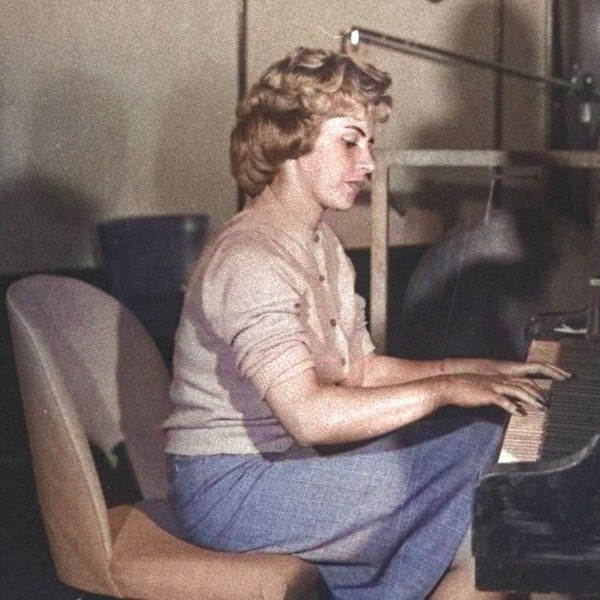
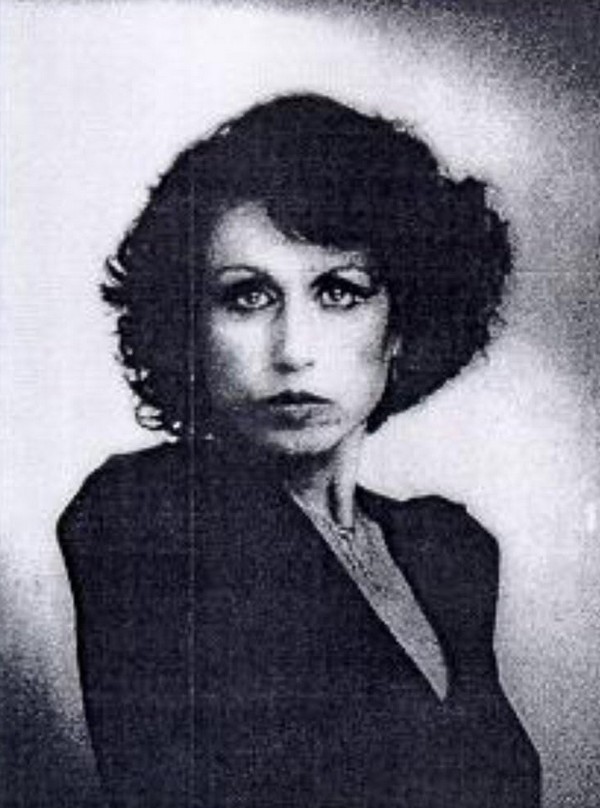
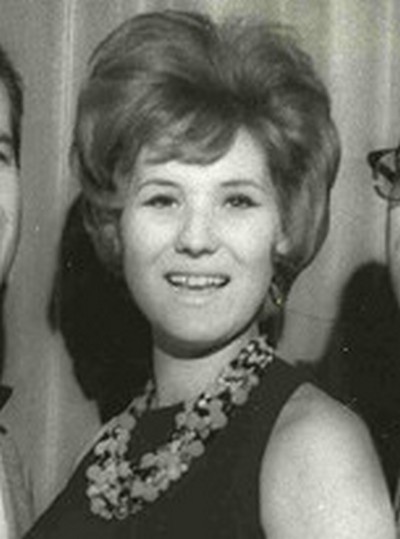
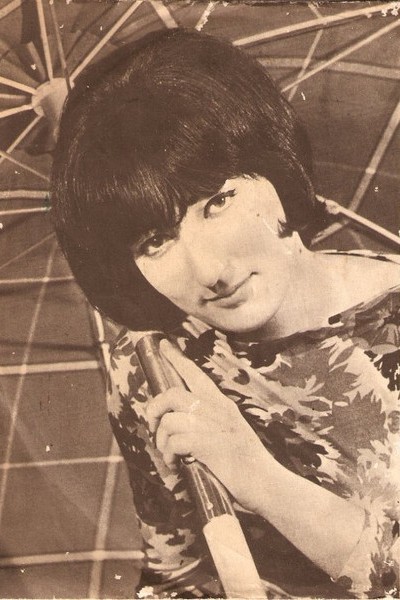
Let's learn a little about the talented women behind these tracks. These are just brief introductions, which likely don't do any of them justice – so if you'd like to know more, please have a look at the further reading suggestions at the bottom of the post.
Nora Orlandi (1933-2025)
A pioneering and prolific film composer, the multi-talented Nora Orlandi was also a soprano singer, pianist, and violinist. She scored three giallos: Lo strano vizio della Signora Wardh, A doppia faccia, and l dolce corpo di Deborah, as well as contributing vocals to a number of others. In 1952, at the age of just 20, Orlandi composed and conducted her first film score. It's notable that her exceptional talent and determination allowed her to rise to the top of such an overwhelmingly male-dominated field. Yet it's not the only reason to celebrate and appreciate her musical achievements, which stand on their own. She was truly one of the great Italian film composers in a domain packed with so many greats. Her musical versatility is extraordinary, and that struck me more and more as I listened to her scores while curating this mix. I've tried to choose pieces that showcase the breadth of her range, her creativity, her emotional expressiveness, and her playfulness.
Edda Dell'orso (b. 1935)
Possessing a uniquely stunning, crystalline soprano voice with a three-octave range, Dell'Orso is best known as Ennio Morricone's favoured vocalist. Her beautiful, wordless 'ooh ooh' and 'la la' vocalisations can be heard on an enormous number of his soundtracks, from giallos to westerns. She perfected the art of moving the listener and being highly expressive with her voice without the need for lyrics.
She first recorded this style of singing on his soundtrack for Once Upon a Time in the West – something she has referred to as the “instrumental voice”, and that she's mentioned was a style in which she loved to sing since she was a child (Source: Jazz Motel interview). Born in Genoa as Edda Sabatini, she trained as a pianist from the age of five or six. As a young woman, she became lead soprano in Alessandro Alessandroni's vocal group, I Cantori Moderni. It was there that her voice caught the attention of Morricone and… the rest is history. She also recorded vocal parts for a number of other major Italian film score composers, like Bruno Nicolai, Piero Umiliani, Armando Trovajoli, Stelvio Cipriani and many others.
Now 91 years old, she continued to sing into her eighties, collaborating with a number of prominent contemporary artists worldwide.
Giulia De Mutiis (1938-1984)
Giulia De Mutiis often lent her lovely vocals to giallo and other soundtrack pieces by her husband, Alessandro Alessandroni. They met when, at the age of 19, she joined his vocal group Quartetto Caravels. This group later became I Cantori Moderni di Alessandroni, and they appeared on a staggering number of recordings in the 1960s and 1970s. Aside from their contributions to soundtracks by Alessandroni, Morricone, and more – including some giallos, as sampled in this mix – they can be heard on records by artists like Sylvie Vartan and Perry Como. De Mutiis's most famous vocal performance was with her husband on Piero Umiliani's hit song Mah-Nà Mah-Nà, from the 1968 soundtrack for the film Svezia inferno e paradiso.
Her musical talent extended beyond her gorgeous voice – she was also a lyricist, songwriter, and multi-instrumentalist. She had a very interesting period in the early 1970s, composing library music with experimental elements. Her compositions appear on the Folkmusic albums Alle Sorgenti delle Civiltà Volumes 1 and 2, under the pseudonym Kema, while other tracks on these releases are by Alessandroni, going by Braen. Her contributions to these albums were collected on a release of the same name by Finders Keepers in 2016. De Mutiis also contributed vocals to another library album, Inchiesta Giudiziaria by Braen and Raskovich (composer Giuliano Sorgini).
De Mutiis, Alessandroni, and Sorgini formed a group called The Pawnshop, recording sessions in 1970 and 1971 in Umiliani's famed Sound Work Shop studio. They released a couple of 7" singles at the time, but the results of the sessions have since been released by Four Flies Records, who were able to access the original masters of both the previously released and some unreleased material.
In the mid-to-late 1970s, De Mutiis continued to provide backing vocals on pop records, and sang theme songs for television cartoons. Sadly, she died of cancer at just 46 years old.
Although not as big a name as our other two main featured women in this mix, Dell'Orso and Orlandi, De Mutiis' biography has ended up being the longest here because I found her musical history quite complex to explain. And since it's not as easy to find much information on her, I'm hoping this little write-up might be useful to others wanting to learn more about this fascinating and undersung musician.
Daniela Casa (1944-1986)
While Daniela Casa did not score any giallo films, I wanted to include her work here as it's not only brilliant, but I felt a number of her haunting and suspense-building library tracks fit right into the giallo world. No stranger to creating diverse and mood-specific pieces that were used in film and television, it would have been interesting to hear some make their way into gialli.
Celebrated today as an innovative creator of experimental and early electronic library music, Casa's career actually began as a traditional pop singer. Signed by Fonti Records in 1963, she released songs like ‘Se lo potessi’ and ‘Beati voi’, performing the latter in the 1964 song contest Un disco per l'estate. She went on to be a regular performer at The Piper, a club that was significant to the Italian pop scene, singing soul and R&B covers as part of a duo called Dany & Gepy. By the late 1960s, she was writing songs for big names like Mina and Dalida. She also joined Gli Idoli, a rock band whose keyboardist, Remigio Ducros, later became her husband.
Her diverse career continued in the 1970s, with further forays into pop and rock as a singer, musician and songwriter, as well as writing music for television shows and commercials. But her primary output in this decade was library music. This medium allowed her to develop her experimental streak, creating some truly pioneering sounds on her records, which continue to attract a cult following today. Particularly beloved is her 1975 album Società Malata, a library concept album about the decay of society. This record, along with a number of her other releases in this era, was created in a studio built in the countryside home she shared with Ducros and their daughter Valentina.
In the late 1970s, she and Ducros co-founded a band called Mariposa, who released a couple of singles and would sometimes appear on children's television shows. At this time, Casa, who had previously created a childhood-themed library album in 1975 called Ricordi d'infanzia, found herself composing for children's choirs and teaching guitar to children.
Tragically, Casa died at 42 from breast cancer. Her daughter Valentina remembers her as a “brave woman” who "would balance music with life essentials like fishing and carpentry...and windsurfing.” (Source: Ten Unsung Italian Library Music Composers - a must-read!)
Other artists in the mix include beloved singers like Mina and Ornella Vanoni, and some lesser-knowns like Lydia MacDonald, Shirley Harmer, Anna Arazzini, and Olympia. I'm pressed for time/energy now to add details on all of them, but may do so in future. (Bookmark or subscribe to my new Site News page, where I'll note if I add any updates to posts).
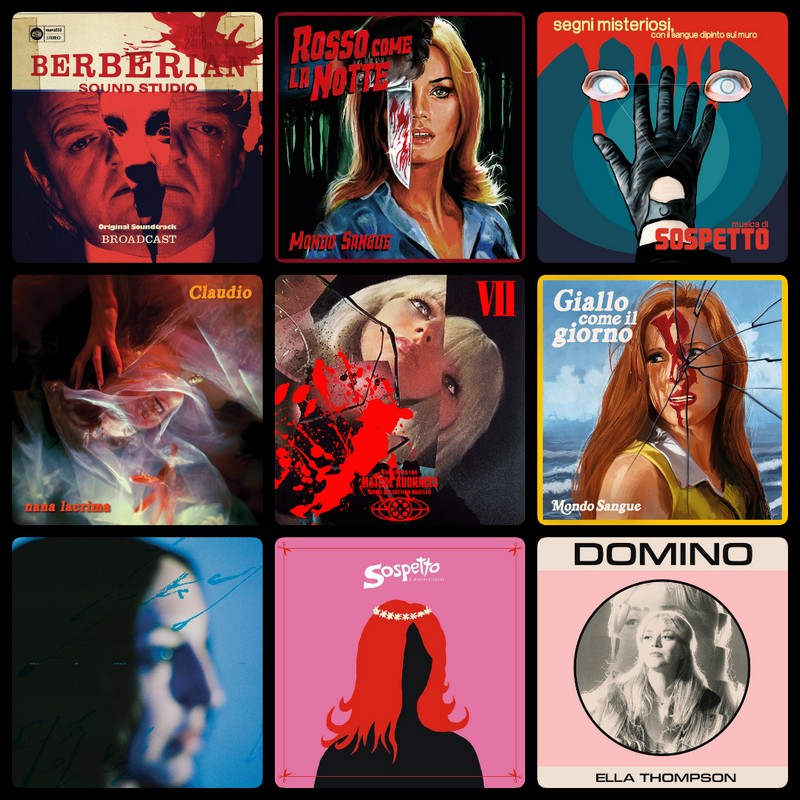
Still here? Good, 'cause I'm not quite done! Here's a bonus Spotify playlist, Daughters of Giallo, featuring songs from modern artists that are inspired by giallo soundtracks. I was originally planning to incorporate some of these songs into the main playlist, but it didn't quite work – and I still wanted to showcase these fantastic songs and artists.
Artists featured on this playlist: Broadcast, Mondo Sangue, Nana Lacrima, Sospetto, Ella Thompson, Marta De Pascalis, and Chromatics. If you know of any more artists or songs that would be a good addition to this collection, please let me know in the comments!
I want to give a special shout-out to Nana Lacrima, who by chance inspired this whole concept! Her 2017 album (as Nana) was one of my top albums of 2005-2025 . I was looking her up, as I needed some credits for a planned addition to that post, and saw her bill herself as a ‘giallo girl’ on a social media profile. I suddenly thought, ooh, giallo girls would make a great mix/post!
I then found she released a lovely giallo-themed EP in 2022 called Claudio. It has an accompanying short film that you can watch here.
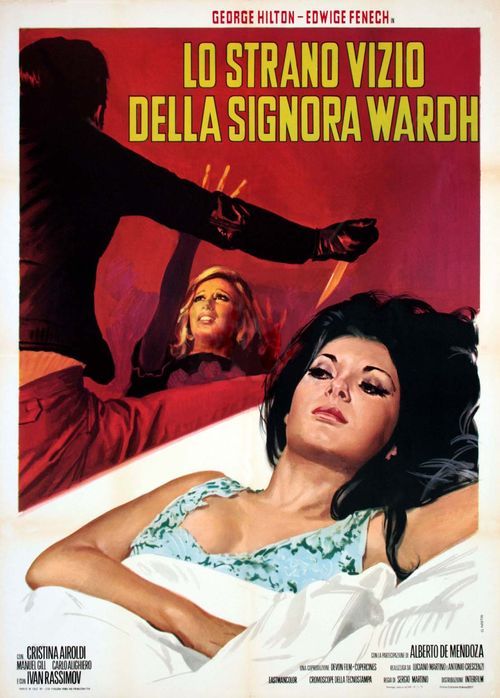
Links to watch giallo films featured in this mix for free!
These are all English-dubbed versions unless otherwise noted. Note that the Tubi links are US region, but they worked for me with a VPN on, set to a US location.
- Lo strano vizio della Signora Wardh / The Strange Vice of Mrs. Wardh (Sergio Martino, 1971) – Tubi
- Orgasmo / Paranoia (Umberto Lenzi, 1969) – Tubi | Bloodstream
- Il dolce corpa di Deborah / The Sweet Body of Deborah (Romolo Guerrieri, 1968) – Youtube (Unofficial)
- Nude per l'assasino / Strip Nude for Your Killer (Andrea Bianchi, 1975) – Tubi (Italian, with English subtitles)
- L'uccello dalle piume di cristallo / The Bird with the Crystal Plumage (Dario Argento, 1970) – Tubi
- La terrificante notte del demonio / Devil's Nightmare (Jean Brismée, 1971) – Fawesome
- Giornata nera per l'ariete / The Fifth Chord (Luigi Bazzoni, 1971) – Tubi | Fawesome
Sources and further reading:
- “Madri Dell’Invenzione” Meets “La Donna Invisibile:” Ten Unsung Italian Library Music Composers by Andy Votel - includes great write-ups on Giulia De Mutiis and Daniela Casa, with some rare details about their lives and careers.
- Pioneering Italian Women in Electronic Music - includes sections on Daniela Casa and Giulia De Mutiis.
- Colonne Sonore - Interview with Nora Orlandi
- Jazz Motel - Interview with Edda Dell'Orso
- Westerns… All'Italiana! - Interview with Edda Dell'Orso
- Cue by Cue - The Bird with the Crystal Plumage - an excellent blog that thoroughly details each musical cue from a number of soundtracks, which I found very useful in my research for this particular score.
- Italy Segreta - A Brief History of Giallo Cinema
- BFI - Where to Begin with Giallo
- Criterion - The Italian Art of Violence
- GIALLO 101: Italian 70s Horror (Beginner's Guide) - a 3-minute video introduction to the giallo genre, by indietrix on Youtube.
Reissue Labels:
- Four Flies Records – Website | Bandcamp
- Cinedelic Records – Website | Bandcamp
- Finders Keepers Records


Comments (0)